
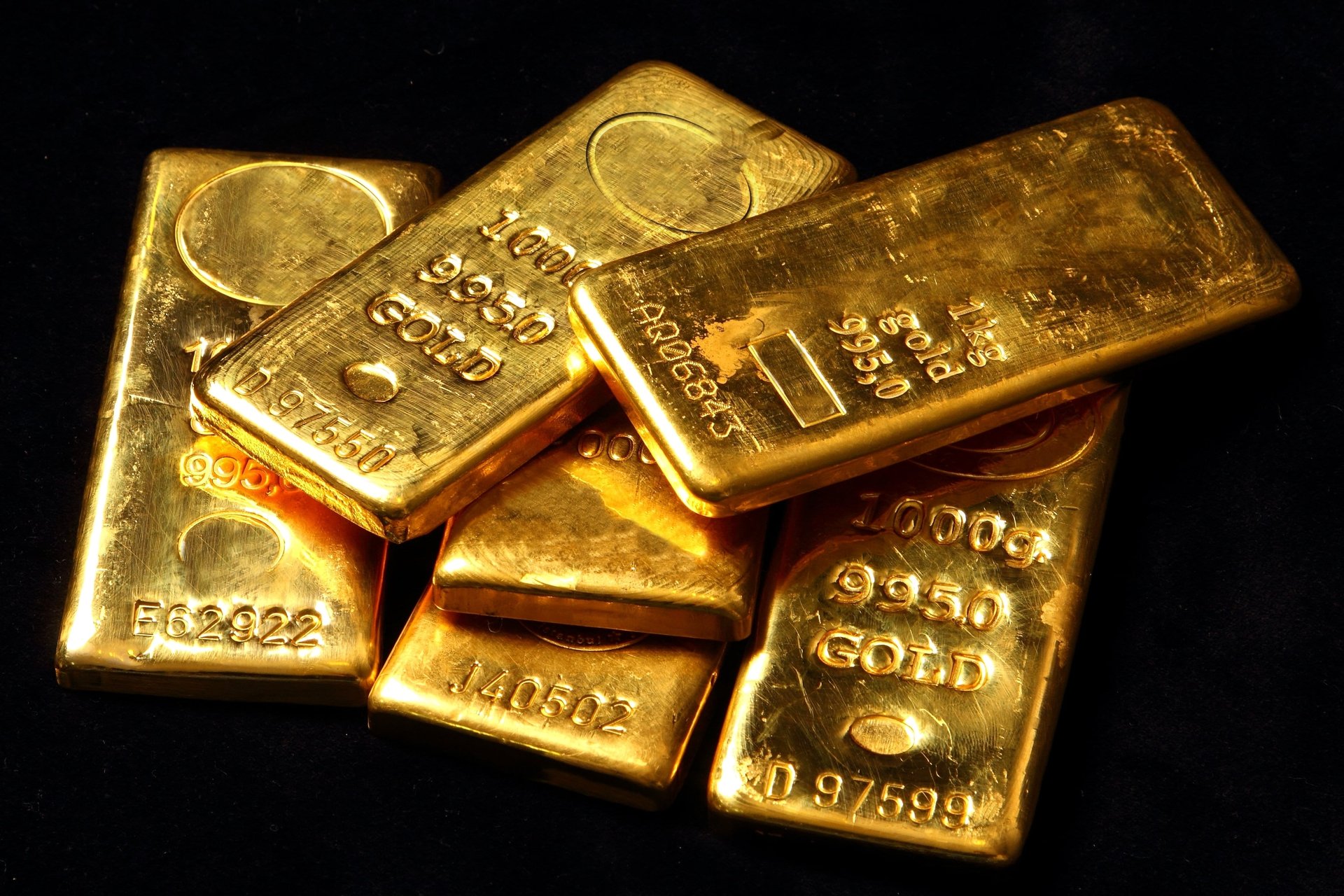

Gold has been the universal standard for wealth for millennia, but its value isn’t just a social construct or a historical accident.
If you were to look at the periodic table as a shopping list for the perfect currency, you would find that most elements fail the test almost immediately. Some are too reactive and might explode in your pocket; others are gases that are impossible to carry, or they are so common they lack any inherent scarcity.
A metal earns the title of precious through a rare intersection of chemical stubbornness, geological scarcity, and modern industrial necessity. It is a status reserved for a tiny elite of elements that can withstand the test of time without rusting away into nothingness.
The chemical rule of nobility
To understand what makes a metal precious, you have to look at how it behaves when it meets the world. Most metals are eager to react. Iron, for instance, has a chemical urge to bond with oxygen, which is why your garden tools eventually turn into a pile of red flakes.
Precious metals are often referred to as noble metals because they are chemically aloof. Gold, silver, and the platinum group metals — including palladium and rhodium — resist oxidation and corrosion.
This inertness is what allowed ancient gold coins to be pulled from shipwrecks after centuries under the sea, looking nearly as bright as the day they were minted. This durability is the primary reason these materials became the foundation of portable wealth.
Scarcity by numbers
Scarcity is the second pillar of value. If a metal is too easy to find, it cannot function as a store of value.
Aluminum provides a classic example of this shift. In the mid-1800s, aluminum was more valuable than gold because it was nearly impossible to refine. Once a cost-effective extraction method was discovered, it became a common household material.
True precious metals are geologically rare across the entire planet. Gold, for instance, makes up only about 4 parts per billion of the earth’s crust. To put that into perspective, if you had a billion kilograms of earth, you would only find a few kilograms of gold.
This extreme rarity creates a natural ceiling on supply that no central bank can override.
The engine of industrial demand
While history and chemistry gave these metals their start, modern technology has cemented their status. We no longer value gold and silver just because they look nice in a vault; we value them because our modern infrastructure would be significantly less efficient and far more expensive without them.
Silver is the most electrically conductive metal in existence, making it indispensable for circuit boards and solar panels.
Meanwhile, the platinum group metals have become the backbone of the automotive industry.
Palladium and platinum are used in catalytic converters to scrub toxic gases from exhaust. Because these metals are so effective at facilitating chemical reactions without being consumed themselves, they have become a critical component in the global push for cleaner energy.
The physical integrity of value
Beyond the science and the industry, there is a final layer to the value of precious metals: the monetary premium. This is the extra value we assign to an asset because we believe others will accept it in exchange for goods and services in the future.
Gold has a track record of maintaining this value over millennia.
This trust persists because, unlike paper currency or digital assets, these metals cannot be synthesized or effectively counterfeited.
While we can print more dollars or fork a blockchain, we cannot print more gold. The labor and energy required to pull these stubborn atoms from the earth provide a physical floor to their value.
This inherent difficulty in creation ensures that the supply remains outside the control of any single institution. It is a cycle of trust that has lasted for thousands of years, making these elements the ultimate survivors of the financial world.
Choosing a partner for precious metals
If you are considering protecting your savings with gold or silver, Lear Capital is one of the most established names in the industry. With over 25 years of experience and more than $3 billion in transactions, the firm has helped over 100,000 Americans incorporate physical metals into their retirement strategies.
The company simplifies the transition for those moving funds from a 401(k) or IRA. Its process includes one-on-one guidance from account representatives who specialize in the nuances of Gold IRAs.
This focus on service is reflected in Lear’s A+ rating with the Better Business Bureau and an Excellent rating on Trustpilot. These credentials have earned the trust of long-time customers and public figures like Glenn Beck and Judge Andrew Napolitano.
What distinguishes the firm is a commitment to transparency and education. Every client receives a free investor kit, access to real-time pricing data, and a 24-hour risk-free purchase guarantee.
 , access to real-time pricing data, and a 24-hour risk-free purchase guarantee.
For those with at least $20,000 in savings or a qualified retirement account, Lear Capital provides a structured way to diversify into silver and gold. New clients may get up to $15,000 in bonus metals with a qualified purchase and enjoy zero trade fees for an entire year.
Read the full article here